Copyright © 2025
My First Steps as an Inclusive Actor or Dancer
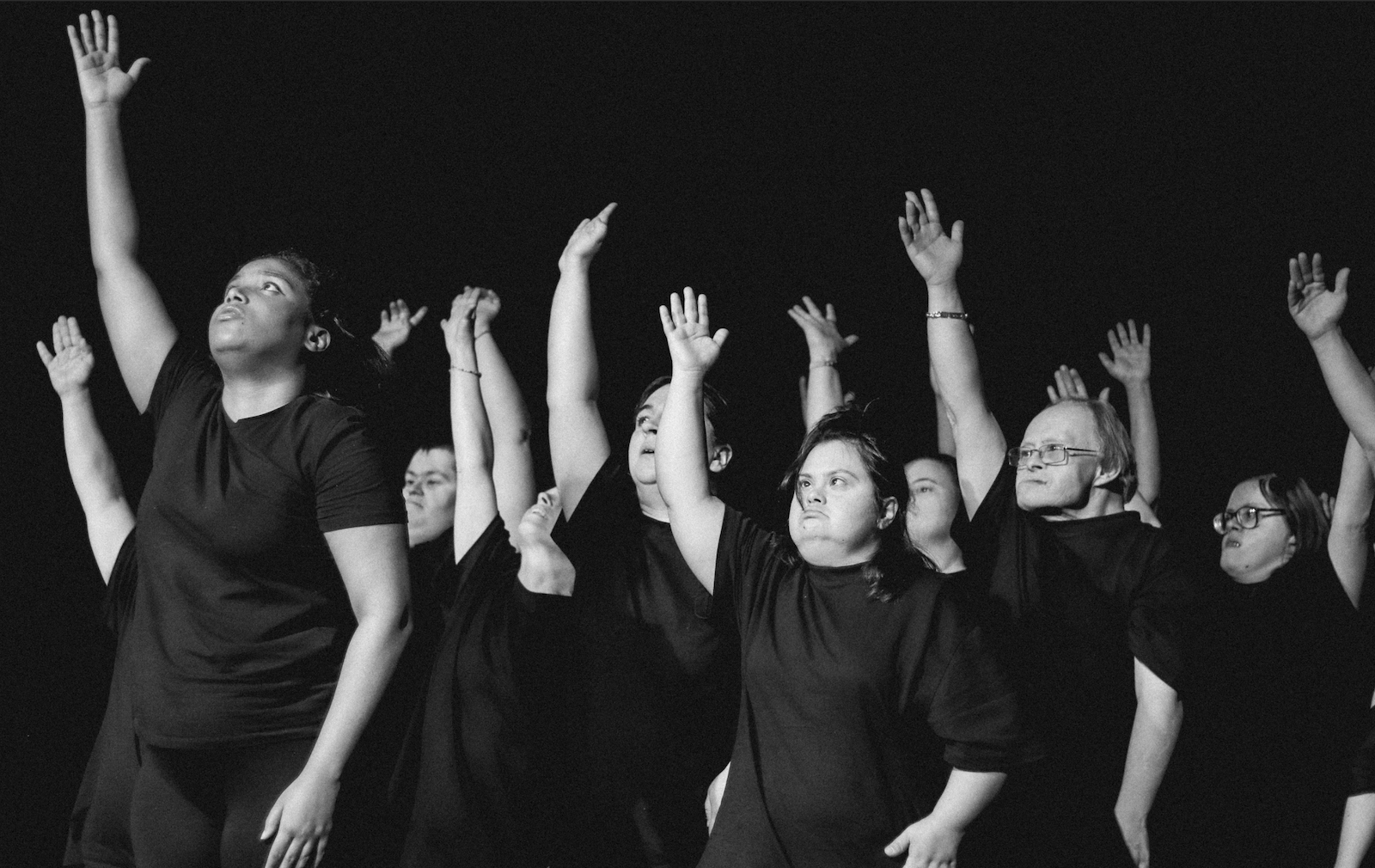
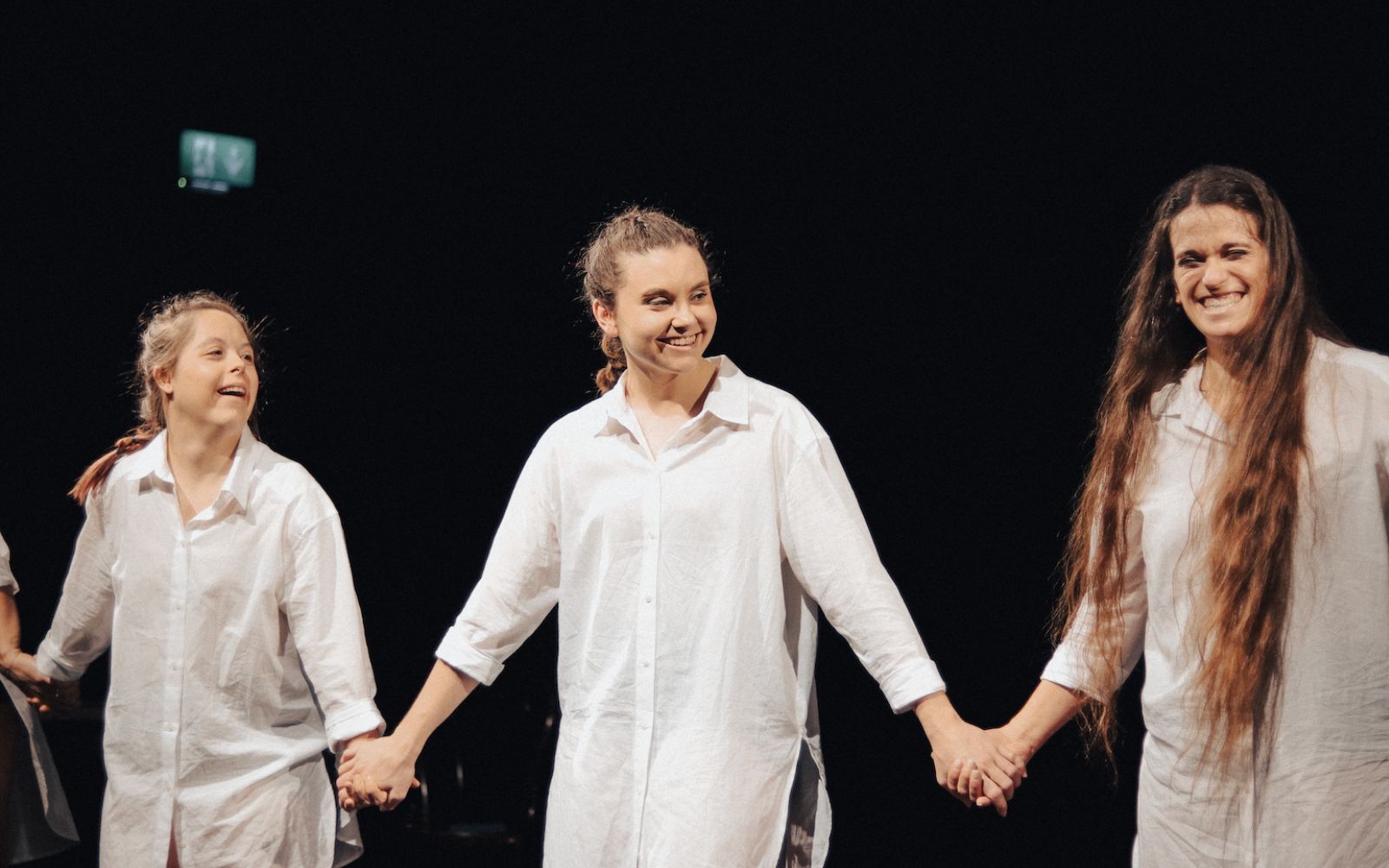
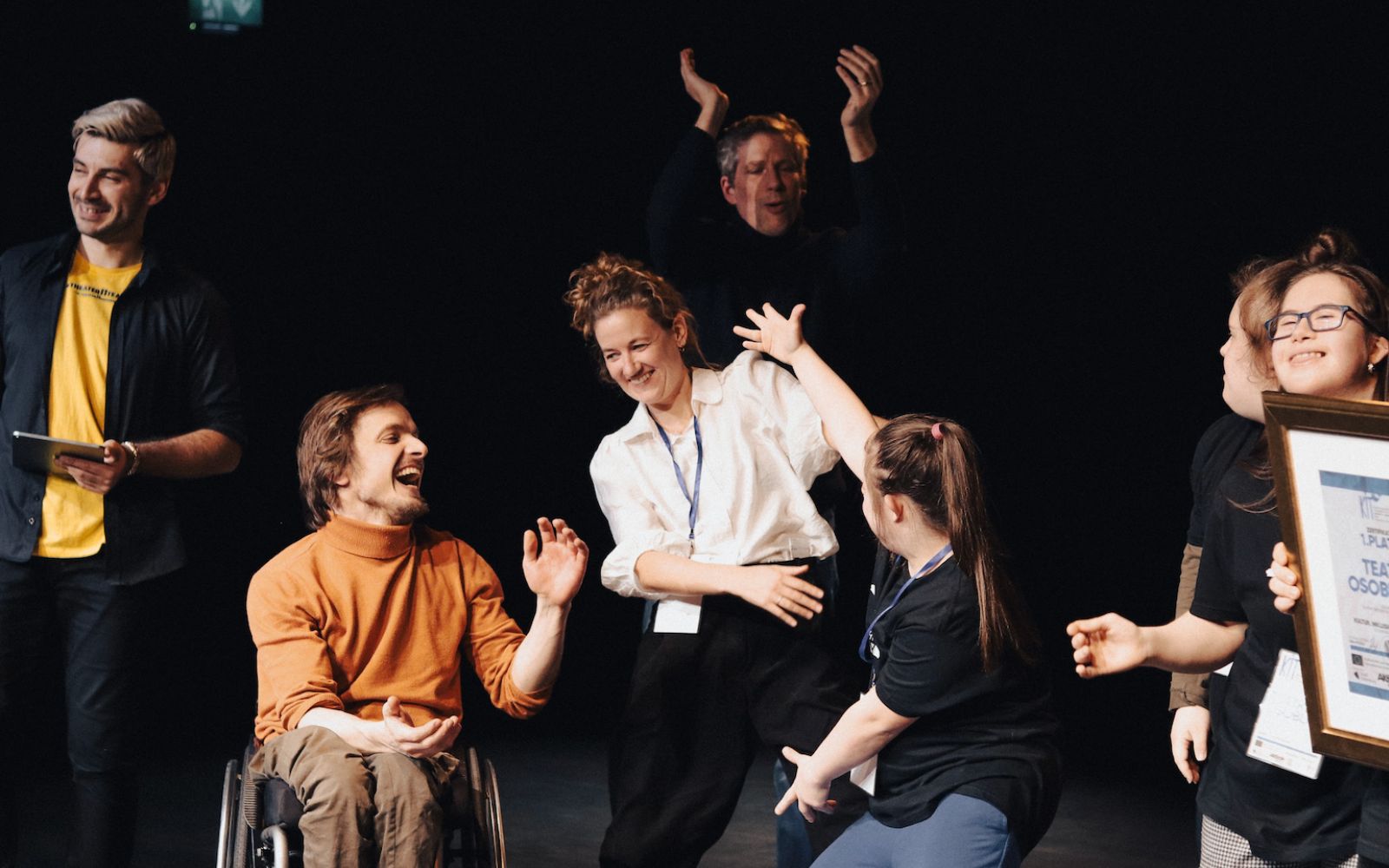
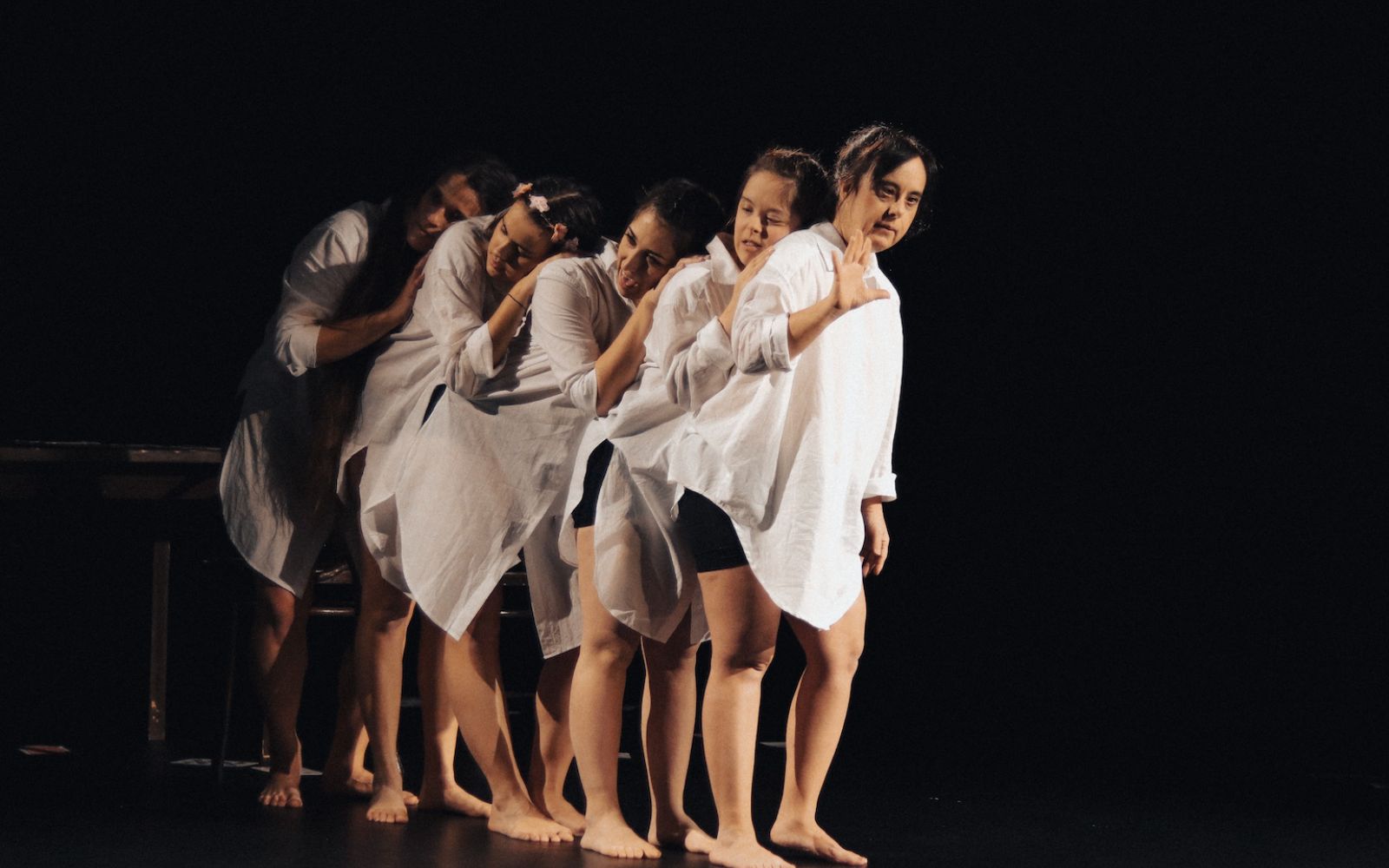
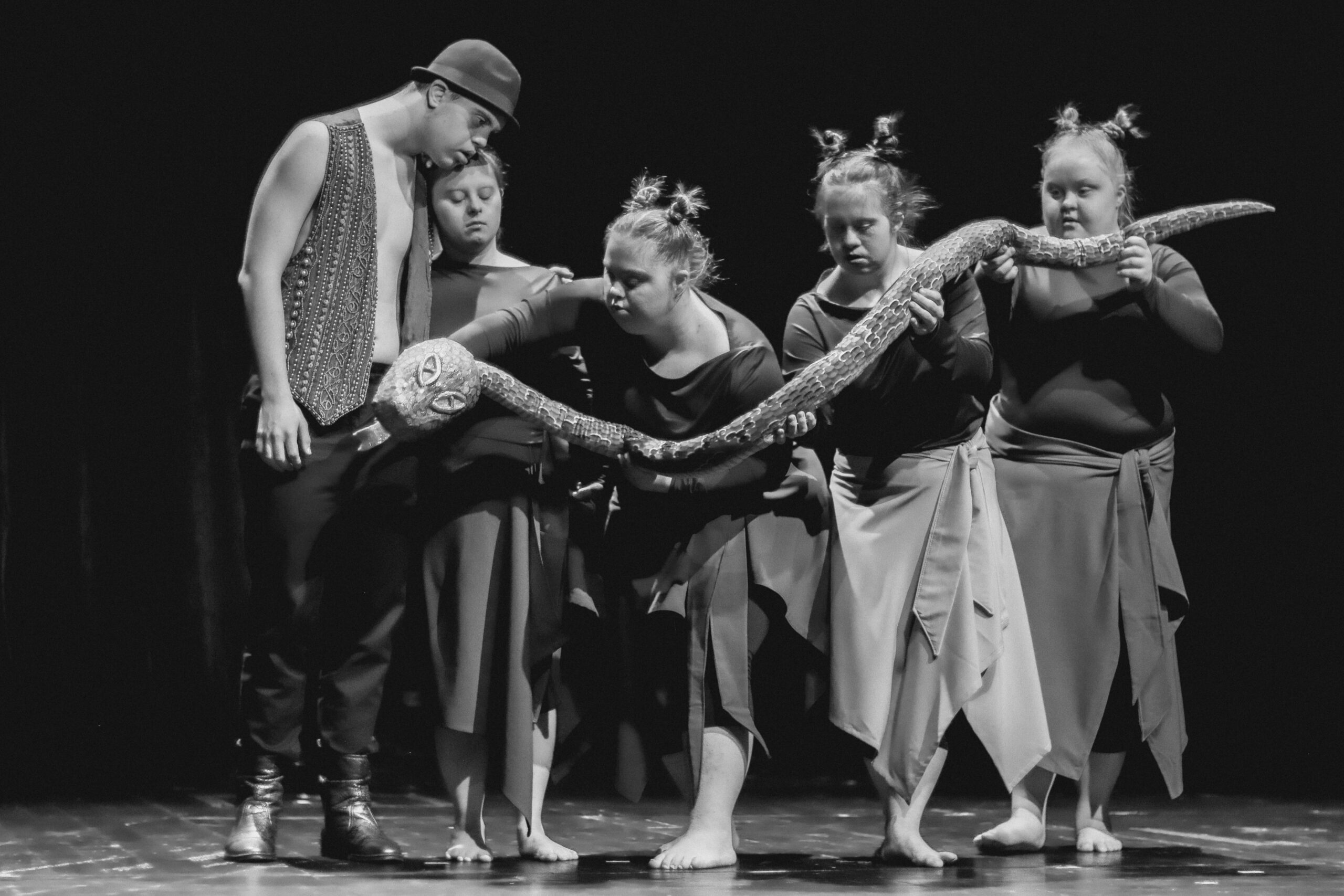
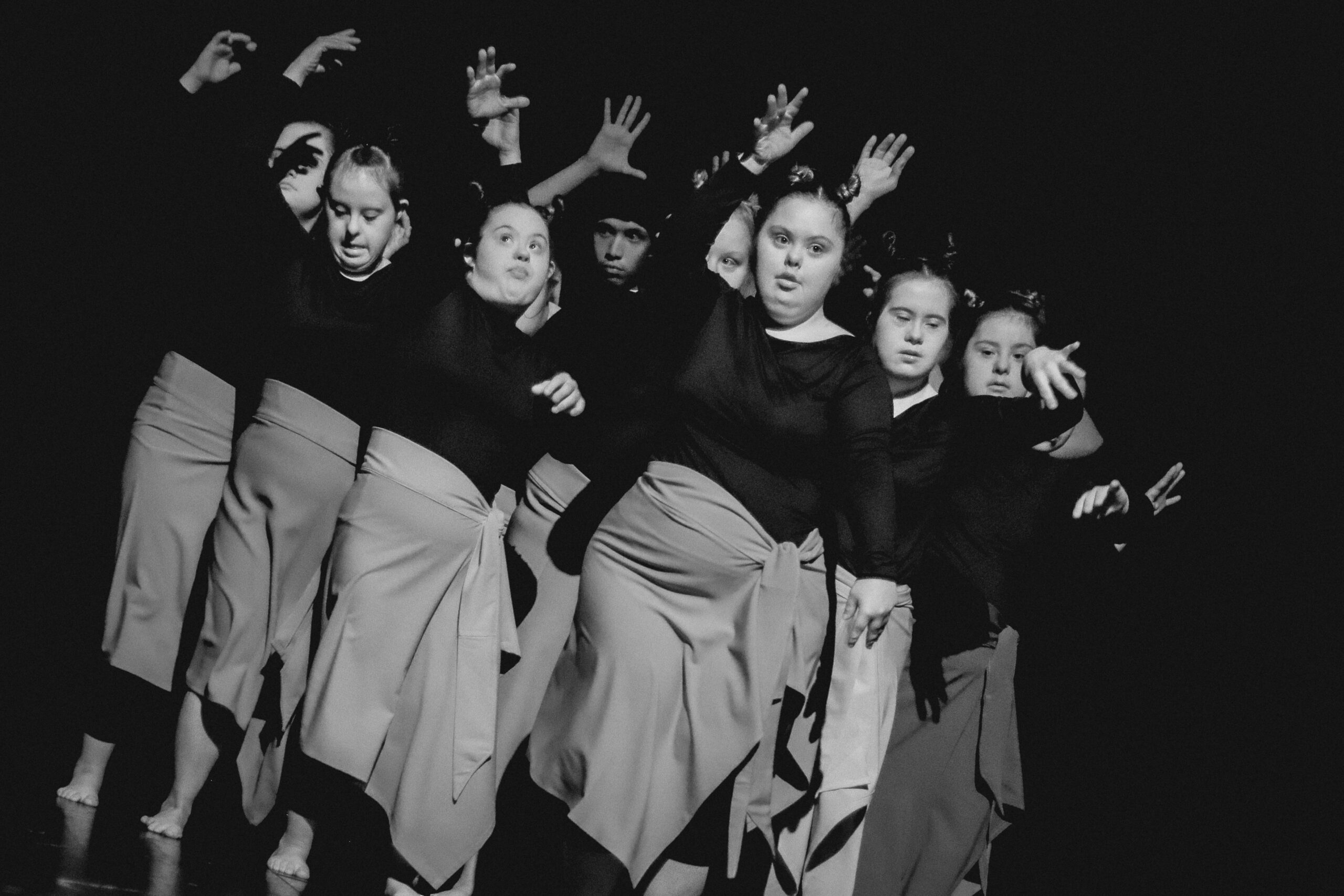
Inclusive art is not simply a fashionable term; it is a path toward profound social transformation, capable of changing the very nature of education, creativity, and professional development for people with disabilities. Inclusive education in the arts seeks to ensure accessibility, participation, and equal opportunities for everyone, regardless of physical, mental, or neurodivergent differences. Inclusive educational models aim to value each person’s unique way of learning and self-expression rather than requiring individuals to adapt to rigid institutional norms.
Many young people with disabilities want to study acting or dance – yet access across the EU is often still very limited:
Key Barriers at a Glance
As two organizations with years of experience in inclusive arts, we have set ourselves the goal of thoroughly researching this situation. We aim to highlight opportunities, map pathways, and provide guidance so that high school graduates with disabilities can pursue their artistic studies.
Our approach: Making inclusion visible from the very beginning – so that diversity on stage and in dance becomes the norm.
Here is an overview of programs, initiatives, and support opportunities in Europe that help young people with disabilities access education, theater, and cultural projects.
How These Programs Can Help You
These initiatives provide: Workshops, trainings, and professional development International networks and exchange opportunities Funding, residencies, and paid work opportunities Mentoring and individual support Visibility in professional theater and cultural fields Collaboration with universities and funding institutions
 Europe-Wide Programs & Networks
 Germany – Programs & Initiatives
 United Kingdom

 Spain and Other European Countries
Inclusive Theater Groups & Networks – Examples
Creating an inclusive and barrier-free learning environment is an ongoing process — one that requires reflection, dialogue, and a willingness to learn. This Accessibility Questionnaire is designed for acting schools and educational institutions that wish to take a closer look at their current structures, practices, and attitudes in relation to accessibility and inclusion. The questionnaire does not aim to evaluate or rank institutions. Instead, it offers a structured opportunity for self-reflection: to identify existing strengths, recognize barriers — physical, digital, social, and structural — and discover areas for meaningful development. Accessibility is understood here not as a fixed standard, but as a living practice that evolves through awareness, responsibility, and care. By taking part in this survey, schools contribute to a broader conversation within the European educational and cultural context. The collected insights will help make challenges visible, highlight good practices, and support the development of concrete recommendations for a more inclusive future in performing arts education. Participation is voluntary and can be anonymous. The questionnaire can be completed in stages and is intended as a supportive tool for institutions that want to open their spaces, make their environments more accessible, and actively welcome people with diverse bodies, abilities, and experiences. We invite you to take part — as a step toward greater openness, shared learning, and inclusive transformation.


Email: info@integrationdkunst.de
Integration through Art e.V.
Faulenstr. 44-46, 28195 Bremen, Germany

Copyright © 2025 ININCLU
Created by Tenlive