



For Schools
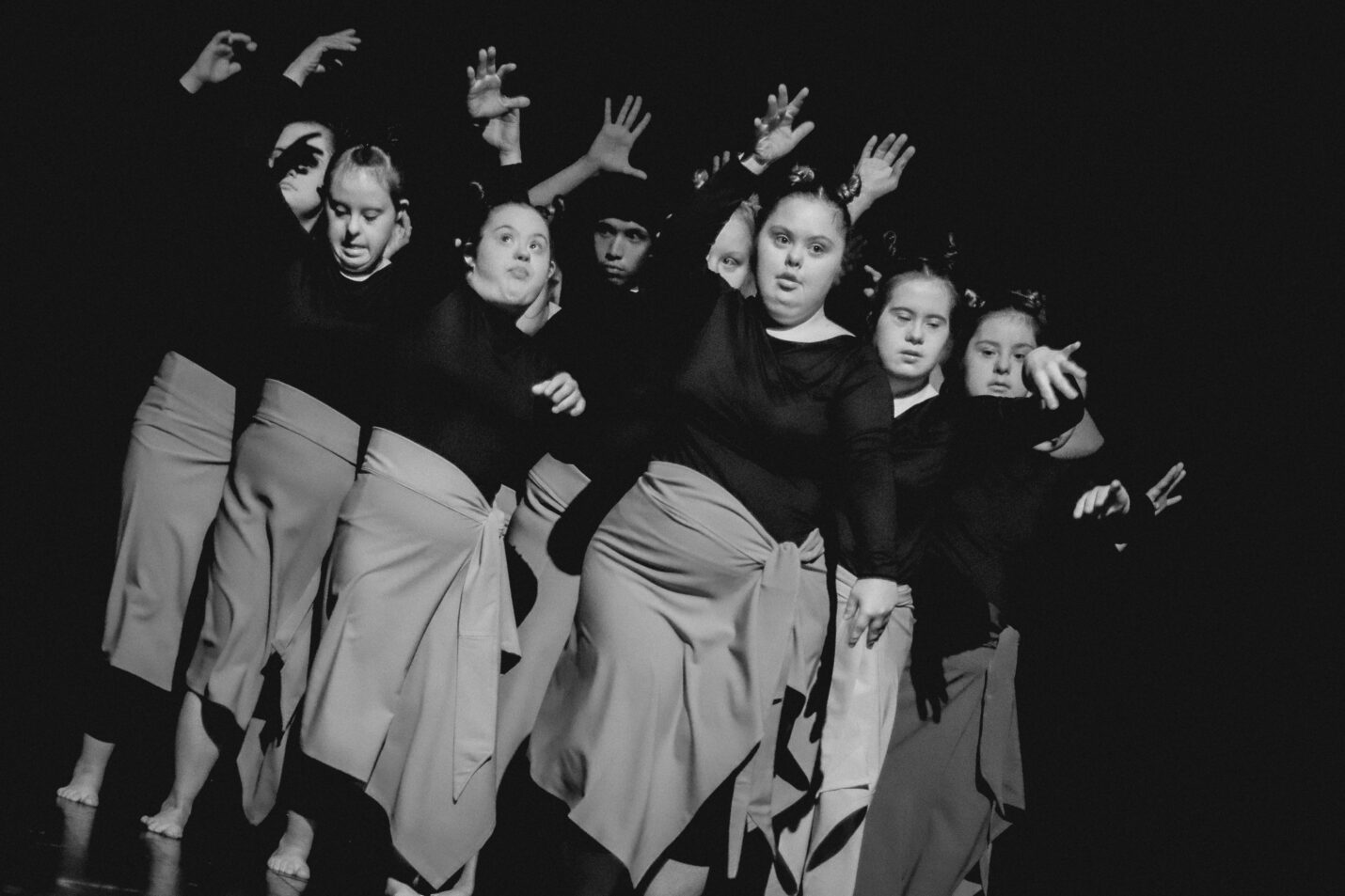
Inclusive Educational Structures for Prospective Students with Disabilities – Key Considerations for Educational Institutions
Inclusive education for prospective students with disabilities requires a well-designed and structurally embedded system that responds to the individual needs of all participants. It is strictly unacceptable to place prospective students with disabilities into existing groups without appropriate organizational, personnel, and didactic adjustments. Inclusion does not mean mere presence; it means equitable, needs-based participation.
A meaningful approach may be to establish two parallel groups—one with enhanced support and one following the standard program—and to gradually bring them together once suitable conditions, trust, and stability have been established. The guiding principle should be: from small steps to broader integration.
1. Taking Individual Needs into Account Holistically
Inclusion begins with the learning environment and goes far beyond structural accessibility. In addition to ramps and elevators, educational institutions serving prospective students with disabilities should provide:
- Quiet and recovery rooms for sensory regulation and rest
- Separate learning, working, and retreat spaces, adjusted to individual capacity and stamina
- Clearly defined areas and responsibilities to support orientation and a sense of security
Equally essential is professional and interdisciplinary support, including:
- Assistants, tutors, and learning facilitators
- Psychologists for neurotypical and neurodivergent prospective students, as well as for their families
- Special education and inclusion specialists to adapt curricula, assessment formats, and teaching methods
All participants should be supported on the basis of individual development and support plans. Learning activities, exercises, and courses must offer alternatives, flexible pathways, and reasonable accommodations.
Digital accessibility—including websites, application procedures, information materials, and learning platforms—is an integral part of an inclusive education system.
2. Differentiation According to Support Needs
Prospective students with physical disabilities may require:
- Barrier-free access and secure transportation
- Clear regulations regarding insurance and liability
- Qualified personal assistance
- Individually adapted schedules for learning, breaks, and recovery
Prospective students with mental, psychological, or neurodivergent conditions benefit from:
- Clearly structured, plain language and translation where needed
- Visual supports such as infographics and step-by-step schedules
- Additional time, increased space, and smaller group sizes
- Sensory rooms and assistive technologies
- Preparation for group work, presentations, and examination settings
- Continuous support from psychologists and special education professionals
A particularly effective instrument is the development of individualized needs-and-strengths profiles (“cases”) for each prospective student, documenting:
- Required supports and accommodations
- Triggers, stressors, or formats to be avoided
- Personal strengths, interests, and resources
These profiles can also be used in the long term for applications to universities, higher education institutions, and funding programs.
Blind and visually impaired prospective students require:
- Clear tactile, acoustic, and digital orientation systems within buildings
- Personal assistance and fully accessible information formats
3. Contributions of Organizations Within Future Funding Frameworks
Within national and international funding schemes, educational organizations and institutions can contribute in particular by offering:
- Training and qualification programs for assistants and learning facilitators
- The development, implementation, and maintenance of needs-based individualized support cases
- Strength-oriented programs that identify, develop, and prepare existing competencies for academic study and higher education pathways
Conclusion
Inclusive education for prospective students with disabilities is a long-term developmental process, not a one-time measure. It requires resources, expertise, and a clear institutional commitment: diversity in abilities and needs is not an obstacle, but a foundation for a fair, resilient, and future-oriented educational landscape.
- Published in For school