



For Theaters
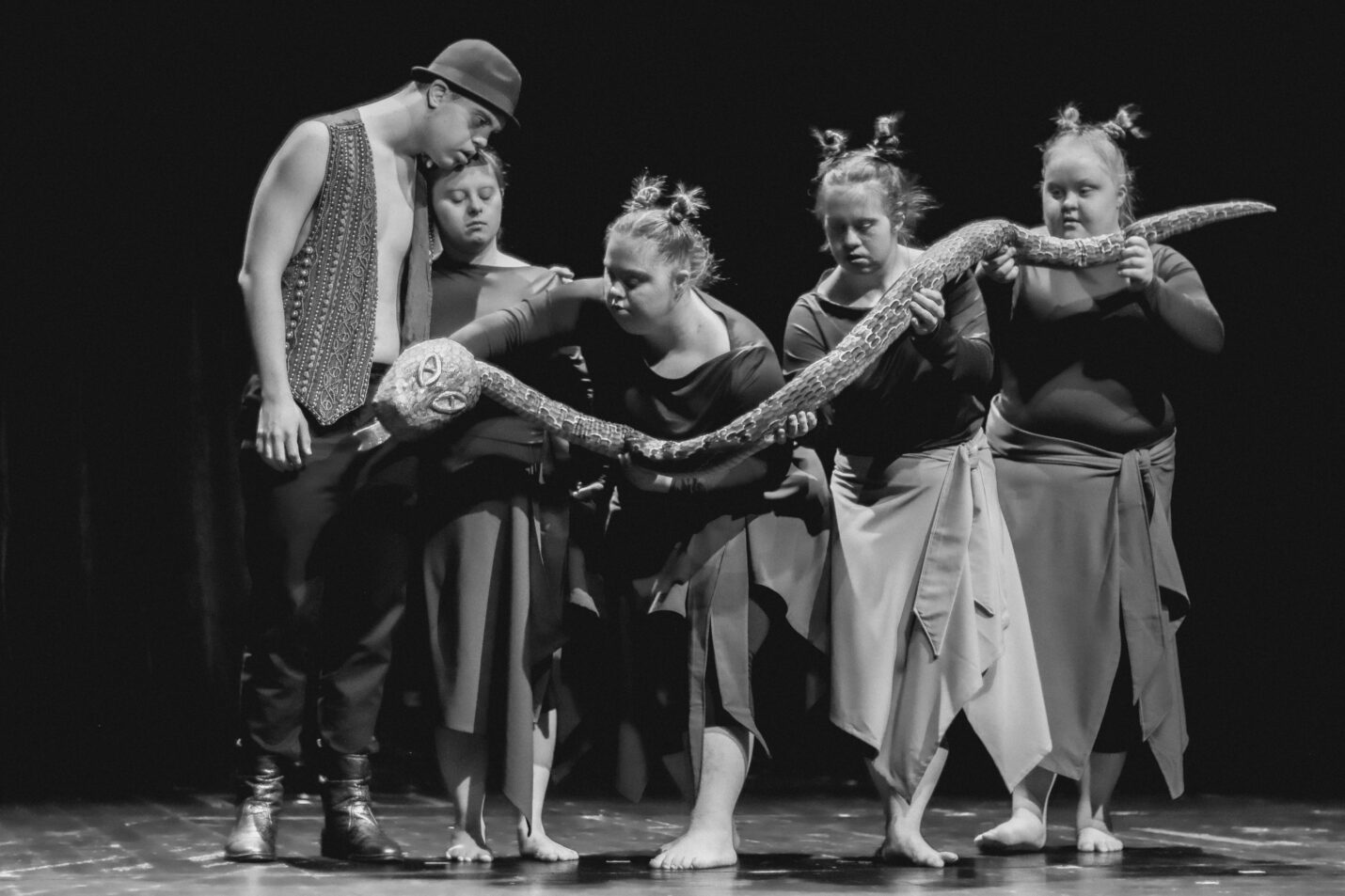
Across Europe, the inclusion of actors with disabilities is still insufficiently implemented in many theaters. While many venues are accessible for audiences, stages, rehearsal rooms, backstage areas, and workplaces for actors with disabilities often remain inaccessible. Reliable data on professional accessibility for performing artists is lacking, but research shows that inclusive workplaces are still the exception rather than the rule.
Some theaters and ensembles are already implementing sustainable inclusive structures, such as the RambaZamba Theater in Berlin, which provides professional workspaces for actors with disabilities. These examples demonstrate that theater inclusion is possible when it is systematically planned and supported.
What Theaters Can Do
To promote inclusive theater work, venues should:
- Create individual support profiles for actors, documenting needs, barriers, and strengths.
- Provide assistants, tutors, special educators, and psychologists to support actors during rehearsals and performances.
- Ensure physical accessibility of stages, dressing rooms, rehearsal and retreat spaces (ramps, elevators, wide pathways, quiet rooms, technical aids).
- Design flexible processes and role allocations, taking different needs into account—e.g., longer rehearsal times, smaller groups, visual aids, and clear instructions.
- Offer staff training in inclusive methods, communication, and support systems.
- Build cooperation with inclusive networks, universities, and funding programs to create long-term opportunities for actors with disabilities.
Perspective
Inclusive theater work is an ongoing process that requires time, resources, and commitment. The goal is to remove barriers, foster individual strengths, and enable equal participation. With systematic planning and practical adjustments, every theater can become a space where diversity, creativity, and artistic quality come together.
- Published in For theatre